
James Webb Space Telescope has unveiled a colossal cosmic cloud, captivating astronomers and space enthusiasts alike. This stunning discovery showcases the telescope’s incredible capabilities in exploring the universe.
What is the James Webb Space Telescope?
The James Webb Space Telescope (JWST) is a groundbreaking observatory designed to explore the mysteries of the universe. Launched in December 2021, it serves as the successor to the Hubble Space Telescope, offering enhanced capabilities and advanced technology.
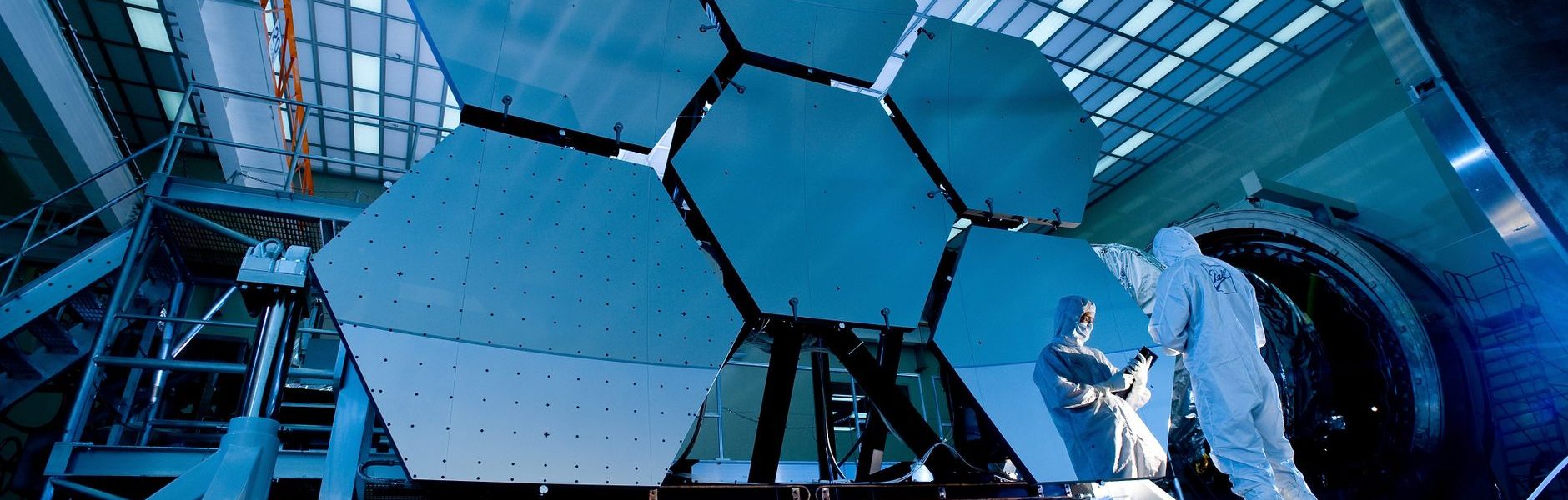
This powerful instrument is equipped with a large mirror measuring 6.5 meters in diameter, enabling it to capture stunning images of distant galaxies, star formations, and planetary systems.
The JWST operates in the infrared spectrum, allowing it to see through cosmic dust and gas, revealing objects that are otherwise hidden from view. Its mission includes:
- Studying the formation of stars and planets.
- Investigating the atmospheres of exoplanets.
- Exploring the origins of galaxies and the universe.
As it continues to send back remarkable data, the James Webb Space Telescope is poised to redefine our understanding of the cosmos.
How does the telescope capture cosmic images?
The James Webb Space Telescope employs advanced technology to capture stunning images of the cosmos. Its ability to observe in the infrared spectrum allows it to see through cosmic dust and gas, revealing details previously hidden from view.
The telescope’s innovative design includes a segmented primary mirror, which measures 6.5 meters in diameter. This large mirror collects more light than its predecessors, enabling it to detect faint celestial objects. Additionally, the telescope is equipped with sensitive instruments that analyze light from distant galaxies and stars.
To capture cosmic images, the James Webb Space Telescope utilizes:
- Near-Infrared Camera (NIRCam) for detailed imaging of stars and galaxies.
- Mid-Infrared Instrument (MIRI) for studying cooler objects like brown dwarfs.
- Fine Guidance Sensor to ensure precise positioning.
By combining these technologies, the telescope provides unprecedented insights into the universe and its formation.
Significance of the colossal cosmic cloud discovery
The recent discovery of a colossal cosmic cloud by the James Webb Space Telescope has significant implications for our understanding of the universe. This massive structure, captured in stunning detail, showcases the telescope’s advanced capabilities in observing distant cosmic phenomena. Scientists are particularly excited about the following aspects:
- Formation of Stars: The cloud may reveal new insights into the processes that lead to star formation, helping researchers piece together the life cycle of stars.
- Evolution of Galaxies: Understanding this cosmic cloud can provide clues about how galaxies evolve over time, especially in relation to dark matter and cosmic expansion.
- Chemical Composition: Analyzing the chemical makeup of the cloud can shed light on the fundamental building blocks of the universe, including the origins of life.
These findings underscore the importance of the James Webb Space Telescope as a key instrument in modern astronomy and its potential to revolutionize our comprehension of cosmic phenomena.
Comparing James Webb with other telescopes
The James Webb Space Telescope has redefined our understanding of the cosmos, but how does it stack up against its predecessors? Several telescopes have significantly contributed to astronomical discoveries, each with unique capabilities.
Here are some key comparisons:
- Hubble Space Telescope: Launched in 1990, Hubble has provided breathtaking images and valuable data. However, its range is limited compared to the infrared capabilities of Webb.
- Spitzer Space Telescope: While Spitzer specialized in infrared observations, it has been retired since 2020. Webb’s advanced technology offers improved sensitivity and resolution.
- Chandra X-ray Observatory: Chandra excels in high-energy observations, allowing scientists to study black holes and supernovae. Webb, on the other hand, focuses on the formation of stars and planetary systems.
In summary, the James Webb Space Telescope stands out with its innovative features, making it a vital tool for exploring the universe.
Future implications of this discovery
The discovery of the colossal cosmic cloud by the James Webb Space Telescope not only enhances our understanding of the universe but also has significant future implications for astronomical research.
As scientists analyze the data collected from this remarkable observation, several potential outcomes may arise:
- Enhanced Understanding of Cosmic Formation: The insights gained from this discovery could provide new details about the formation of galaxies and stars, reshaping existing theories.
- Improved Technology: The advancements in imaging and data analysis techniques used by the James Webb Space Telescope may lead to new technologies applicable in various fields.
- Collaboration Across Disciplines: Increased interest in cosmic phenomena may foster collaborations among scientists, engineers, and educators, promoting interdisciplinary research.
- Public Engagement: The spectacular images captured by the James Webb Space Telescope are likely to inspire public interest and support for space exploration.
Ultimately, these implications underscore the telescope’s potential to revolutionize our understanding of the universe and our place within it.
How are cosmic clouds formed?
Cosmic clouds, the building blocks of stars and planets, are formed through a complex interplay of various astrophysical processes. These clouds primarily consist of gas and dust, which accumulate over time due to gravitational attraction. When regions within a cloud become dense enough, they can collapse under their own gravity, leading to the birth of new stars.
Several factors contribute to the formation of these clouds:
- Shock Waves: Events such as supernova explosions can create shock waves that compress interstellar material, leading to cloud formation.
- Galactic Collisions: When galaxies collide, their gas can be disturbed, triggering the formation of dense clouds.
- Radiation Pressure: The energy from nearby stars can also influence the density and structure of these clouds.
The James Webb Space Telescope is poised to enhance our understanding of these processes, allowing astronomers to explore cosmic clouds in unprecedented detail.
The technology behind the James Webb Space Telescope
The technology behind the James Webb Space Telescope represents a significant leap forward in astronomical engineering. This state-of-the-art telescope employs a variety of advanced features that enhance its observational capabilities.
- Primary Mirror: The telescope boasts a large segmented mirror, measuring 6.5 meters in diameter, which allows it to collect more light and observe distant celestial objects with unprecedented clarity.
- Infrared Sensors: Equipped with cutting-edge infrared sensors, the James Webb can detect heat signatures from objects that are too faint or distant for visible light telescopes.
- Sunshield: Its innovative sunshield protects the sensitive instruments from the Sun’s heat, allowing the telescope to maintain optimal operating temperatures.
- Orbit: Positioned at the second Lagrange point (L2), the telescope enjoys a stable environment, minimizing interference from Earth and enabling long-duration observations.
Such advancements make the James Webb Space Telescope a powerful tool for exploring the cosmos and answering fundamental questions about our universe.
What’s next for space exploration?
As the astronomical community eagerly anticipates the next phases of space exploration, the James Webb Space Telescope continues to play a pivotal role. Its advanced capabilities have set a new standard for observing the universe, leading scientists to consider several future missions and objectives.
The following are key areas of focus for upcoming explorations:
- Exoplanet Research: The James Webb Space Telescope will help identify and analyze the atmospheres of distant exoplanets, searching for signs of habitability or life.
- Galaxy Formation: Researchers aim to study the formation and evolution of galaxies, utilizing Webb’s powerful imaging to peer back in time.
- Star Formation: Understanding the processes that lead to star formation in various environments will be a significant focus.
- Cosmic Background Radiation: Exploring the cosmic microwave background will shed light on the early universe and its development.
With these exciting prospects, the James Webb Space Telescope is poised to redefine our understanding of the cosmos.
Photo by Pixabay on Pexels
References
Related reading