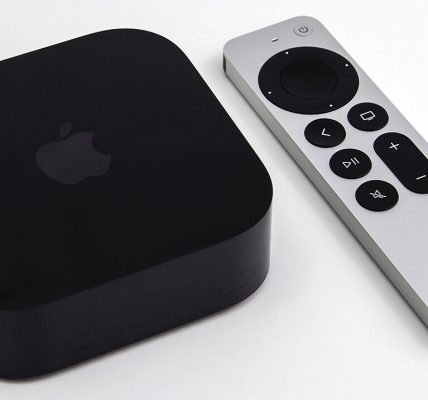

Roku smart home products are being discontinued as the company shifts focus to streaming. This decision raises questions about the future of smart devices in your home.
Overview of Roku’s Decision
In a surprising pivot, Roku has decided to discontinue its smart home products to concentrate on its core streaming device business. This decision raises questions about the future of Roku’s broader product ecosystem and the implications for consumers who invested in their smart home offerings.
The move comes as the company seeks to streamline operations and enhance its focus on delivering a superior streaming experience.
Key points regarding Roku’s decision include:
- Shift in Strategy: By focusing solely on streaming devices, Roku aims to strengthen its competitive edge in a crowded market.
- Impact on Users: Existing customers of Roku smart home products may face challenges as support diminishes.
- Future Innovations: Roku is likely to channel resources into enhancing its streaming platform and user interface.
This shift marks a significant change in Roku’s business model, highlighting the challenges in the smart home product space.
Impact on Existing Smart Home Devices
The decision to discontinue Roku smart home products has significant implications for users who have integrated these devices into their daily lives. Many consumers relied on Roku’s smart home offerings for seamless connectivity and control alongside their streaming devices. The removal of support for these products creates uncertainty for existing customers.
Key impacts include:
- Compatibility Issues: Users may face challenges with device interoperability, leading to a fragmented smart home experience.
- Loss of Features: Without future updates, existing products may become obsolete or less functional over time.
- Consumer Trust: This decision could diminish trust in Roku as a reliable brand in the smart home market.
Overall, the withdrawal of Roku smart home products may leave many users reconsidering their choices in smart home technology.
Reasons Behind the Shift
Several factors contributed to Roku’s decision to discontinue its smart home products, marking a significant shift in its business strategy.
- Market Competition: The smart home market is flooded with established players like Amazon and Google, making it challenging for Roku to gain a foothold.
- Resource Allocation: By refocusing on its core streaming device offerings, Roku aims to improve product development and customer experience.
- Consumer Demand: Feedback indicated that users preferred Roku for streaming rather than smart home integration, prompting the company to pivot.
- Technological Integration: The complexity of integrating smart home technologies with streaming capabilities posed significant challenges.
Ultimately, this move underscores Roku’s commitment to enhancing its streaming services over competing in the smart home arena. With the decision to drop smart home products, Roku aims to solidify its position in the streaming market.
Future of Roku Streaming Services
The future of Roku streaming services appears to be increasingly intertwined with traditional streaming capabilities, as the company redirects its focus solely on its core offerings. With the recent decision to discontinue its Roku smart home products, the company aims to streamline operations and enhance user experience in streaming. This shift may lead to improved software and content delivery, but risks alienating customers who embraced the integration of smart home technology with streaming services.
As Roku strengthens its position in the competitive streaming market, users may see advancements in features such as user interface and content recommendations. However, the absence of smart home products could limit the company’s ability to provide a cohesive ecosystem. The challenge will be to maintain customer loyalty while pivoting back to its roots, ensuring that Roku does not lose sight of the evolving landscape of home entertainment.
Consumer Reactions to the Change
Consumer reactions to Roku’s decision to discontinue its smart home products have been mixed, with many expressing disappointment. Users who invested in Roku smart home products feel left in the lurch, particularly those who relied on the integration of these devices with their streaming services. Many customers took to social media to voice their frustrations, highlighting concerns about the loss of functionality and compatibility.
Some loyal users have stated that the shift away from smart home technology could lead them to consider alternatives in the streaming market. Others argue that Roku should have focused on enhancing its existing smart home offerings instead of abandoning them. The decision has sparked discussions about the future of streaming devices, leaving consumers questioning whether they can trust Roku to maintain their other services effectively.
- Disappointment: Users express frustration over the discontinuation.
- Concerns: Compatibility issues with existing devices arise.
- Alternatives: Some consider switching to different streaming brands.
Alternatives to Roku Smart Home Products
As Roku shifts its focus away from smart home products, consumers may consider several alternatives to meet their home automation needs. The following options provide a range of features and compatibility:
- Amazon Echo: Known for its voice assistant capabilities, it integrates seamlessly with various smart home devices.
- Google Nest: Offers smart speakers and displays that work well with Google’s ecosystem, providing robust smart home control.
- Apple HomeKit: Ideal for users within the Apple ecosystem, it allows for easy control of compatible devices through Siri.
- Samsung SmartThings: A versatile platform that supports a multitude of devices, making it a strong alternative for home automation.
- Philips Hue: Specializes in smart lighting solutions, providing a user-friendly app for control and scheduling.
These alternatives may better suit consumers looking for reliable smart home solutions outside of Roku’s offerings.
Conclusion: What’s Next for Roku?
As Roku pivots away from its smart home products, the future of its streaming services remains uncertain. This strategic shift raises questions about how the brand will maintain its competitive edge in an increasingly crowded market. Many consumers are left wondering if Roku can continue to thrive solely as a streaming device provider.
While the decision to concentrate on streaming may streamline operations, it also risks alienating users who appreciated the integration of Roku smart home products. The company must now focus on enhancing its core streaming offerings and ensuring that existing users feel valued.
In response to consumer feedback, Roku could explore partnerships with other smart home brands to create a cohesive ecosystem. Ultimately, the challenge lies in balancing innovation with user satisfaction as Roku navigates this new chapter in its evolution.
The introduction of Roku smart home products has raised concerns among many users who fear that this shift could dilute the company’s focus on streaming devices. Critics argue that integrating Roku smart home products into their lineup is the worst move for streaming devices, potentially compromising their core functionality.
Photo by Matheus Bertelli on Pexels
Sources
You might also like