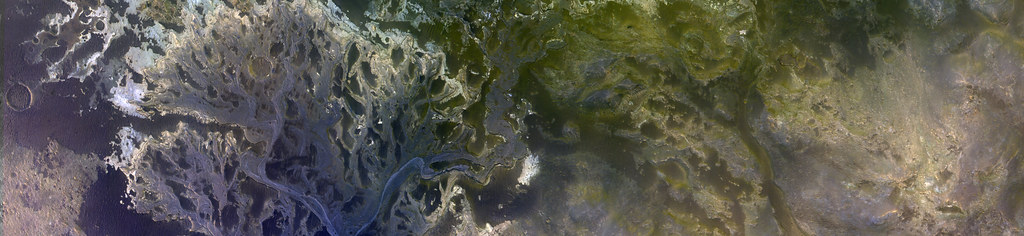

Impact crater discovery has led an amateur astronomer to uncover a massive 390-million-year-old site in Quebec. This remarkable find has piqued the interest of scientists worldwide.
Introduction to the Discovery
An extraordinary discovery has emerged from the skies of Quebec, where an amateur astronomer has identified a massive impact crater that dates back an astonishing 390 million years. This significant finding not only highlights the contributions of passionate individuals in the field of astronomy but also has implications for our understanding of Earth’s geological history.
The crater, which has been confirmed by scientists, is believed to have been formed by a celestial body colliding with the Earth during the Devonian period. This era is known for its rich biodiversity and the evolution of early fish species, making the impact crater discovery particularly relevant to researchers studying prehistoric life.
Initial observations were made by the amateur astronomer while scanning satellite images, leading to further investigations by professional scientists. The collaborative effort underscores the importance of citizen science in the field, where anyone with a keen interest can contribute to significant scientific breakthroughs.
The discovery of this ancient impact site opens up numerous avenues for research, including the study of the crater’s geological features and the potential effects of such an event on the planet’s environment and life forms at the time.
The Role of Amateur Astronomers
Amateur astronomers have long played a crucial role in advancing the field of astronomy, often making significant discoveries that contribute to our understanding of the universe. The recent impact crater discovery in Quebec is a prime example of how passion and dedication can lead to groundbreaking findings. The astronomer who uncovered this ancient site spent countless nights observing the night sky, driven by curiosity and a love for celestial phenomena.
These enthusiasts utilize a variety of tools, from basic telescopes to sophisticated imaging equipment, allowing them to collect data that can rival that of professional astronomers. Their unique perspectives often lead to fresh insights, as they approach problems with creativity and enthusiasm.
Furthermore, amateur astronomers frequently collaborate with scientists, providing valuable information and observations that enhance research efforts. In the case of the Quebec crater, the amateur’s keen eye for detail and persistence in investigation brought attention to a site long overlooked by professionals. This event underscores the importance of inclusivity in scientific research and highlights how contributions from all levels can lead to significant discoveries.
- Collaboration between amateurs and professionals is essential.
- Amateur discoveries can challenge existing scientific paradigms.
- Passion for astronomy drives many discoveries.
Significance of the Impact Crater
The discovery of the 390-million-year-old impact crater offers significant insights into Earth’s geological and environmental history. This finding not only highlights the contributions of amateur astronomers but also emphasizes the importance of such sites in understanding past events that shaped our planet.
Impact craters serve as natural archives of information about the conditions on Earth during the time of their formation. The newly identified crater in Quebec allows scientists to study:
- The effects of ancient meteorite impacts on Earth’s ecosystems.
- Changes in climate and how they relate to geological activity.
- Evolutionary processes that occurred in response to catastrophic events.
Moreover, the crater can shed light on the distribution of minerals and resources, which may have implications for both scientific research and economic exploration. The impact crater discovery also stimulates interest in planetary science, as researchers compare Earth’s craters with those on other celestial bodies.
As further studies unfold, this significant find could lead to a deeper understanding of Earth’s history and the complex interplay between celestial events and terrestrial life.
How Scientists Confirmed the Find
After the initial discovery by an amateur astronomer, a team of scientists embarked on a rigorous process to confirm the impact crater discovery. The researchers utilized several advanced techniques to validate the crater’s age and characteristics.
Firstly, they conducted geological mapping of the site, which involved detailed analysis of the rock formations and structures surrounding the crater. This mapping helped establish the crater’s morphology and its relationship with the surrounding geological features.
Next, the team employed radiometric dating methods on rock samples collected from the site. By analyzing isotopic compositions, they were able to determine the age of the materials, confirming that the crater was indeed formed around 390 million years ago.
Additionally, scientists performed remote sensing using satellite imagery to gather more data about the crater’s size and impact features. This method provided a broader view of the area and helped identify other geological anomalies associated with the impact.
Through a combination of these methods, scientists not only validated the amateur’s initial findings but also provided valuable insights into the crater’s significance in understanding Earth’s geological history.
Exploring the Geological Features
The recent impact crater discovery has unveiled a variety of intriguing geological features that provide insight into Earth’s history. This ancient site, estimated to be 390 million years old, showcases characteristics that are essential for understanding the effects of large-scale impacts on our planet.
Among the notable features of the crater are:
- Rim Structure: The elevated rim surrounding the crater offers clues about the force of the impact and subsequent geological processes.
- Shock Metamorphosed Rocks: The discovery includes rocks altered by the immense pressures generated during the impact, revealing vital information about the event’s energy.
- Impact Breccia: Fragments of rock that were shattered and mixed together during the impact are present, showcasing the chaotic nature of the event.
- Subsurface Features: Geophysical surveys have indicated the presence of additional structures beneath the surface, suggesting potential for further discoveries.
This impact crater discovery not only enriches the geological narrative of the region but also highlights the importance of citizen science in advancing our understanding of Earth’s historical events. Each feature provides a unique perspective on the processes that shaped the planet long ago.
What This Means for Earth History
The recent impact crater discovery has profound implications for our understanding of Earth’s geological history. This 390-million-year-old site not only sheds light on past events but also offers insights into the planet’s evolutionary timeline. Such findings can help scientists piece together the effects of ancient impacts on the Earth’s surface and atmosphere.
One of the key aspects of this discovery is its potential to enhance our knowledge of how life on Earth has been shaped by catastrophic events. The crater provides a unique opportunity to study the aftermath of a significant collision, allowing researchers to examine changes in biodiversity and environmental conditions that followed the impact.
Furthermore, the study of this crater can lead to a better understanding of similar ancient events. By analyzing the geological features and materials found at the site, scientists can draw parallels with other known impact sites around the world.
As researchers continue to investigate the impact crater discovery, they hope to uncover more details about the conditions that prevailed during the Devonian period and how such events influenced the planet’s development. This discovery may ultimately rewrite portions of Earth’s history and underscore the importance of continued exploration and research in geology.
Future Research Opportunities
The recent impact crater discovery has opened up a myriad of research opportunities for both professional and amateur scientists alike. As the crater dates back 390 million years, it provides a unique window into the geological and environmental conditions of ancient Earth.
Geologists and paleontologists are particularly excited about the potential findings, as the site may yield valuable fossils and mineral deposits that could enhance our understanding of the planet’s history. Future research efforts may focus on the following areas:
- Fossil Analysis: Studying the fossils found within the crater could reveal insights into prehistoric life and ecosystems.
- Geological Surveys: Detailed surveys will help map the crater’s structure and assess its formation process, contributing to the broader understanding of impact events.
- Climate Studies: Researchers may analyze sediment samples to reconstruct the climatic conditions of the time, shedding light on how ancient climates influenced biodiversity.
- Community Involvement: Engaging local amateur astronomers and geology enthusiasts could foster a greater interest in Earth sciences and encourage citizen science initiatives.
Overall, this impact crater discovery is poised to inspire collaborative studies that deepen our comprehension of Earth’s past and its geological evolution.
Conclusion and Implications
The recent impact crater discovery has opened new avenues for understanding Earth’s geological history and the significant events that have shaped our planet. This remarkable finding not only highlights the contributions of amateur astronomers but also emphasizes the importance of collaboration between enthusiasts and professional scientists.
As researchers continue to study the crater’s features, they anticipate uncovering vital data regarding ancient environmental conditions and the potential effects of such impacts on early life forms. The insights gained from this 390-million-year-old site could reshape existing theories about the Earth’s evolution and its climatic shifts over millions of years.
Moreover, the discovery serves as a powerful reminder of the untapped potential within the field of amateur astronomy. Enthusiasts with keen observational skills can play a crucial role in scientific advancements, leading to significant discoveries that may have otherwise gone unnoticed.
Looking ahead, the implications of this impact crater discovery extend beyond geology, as it may influence various scientific fields, including planetary science and astrobiology. As more research is conducted, the crater may provide a unique window into Earth’s past, offering clues that could ultimately enhance our understanding of life on other planets.
The recent impact crater discovery has sparked interest among both scientists and enthusiasts alike. This 390-million-year-old site provides valuable insights into Earth’s geological history, making the impact crater discovery even more significant.
By europeanspaceagency via Openverse
Sources
You might also like