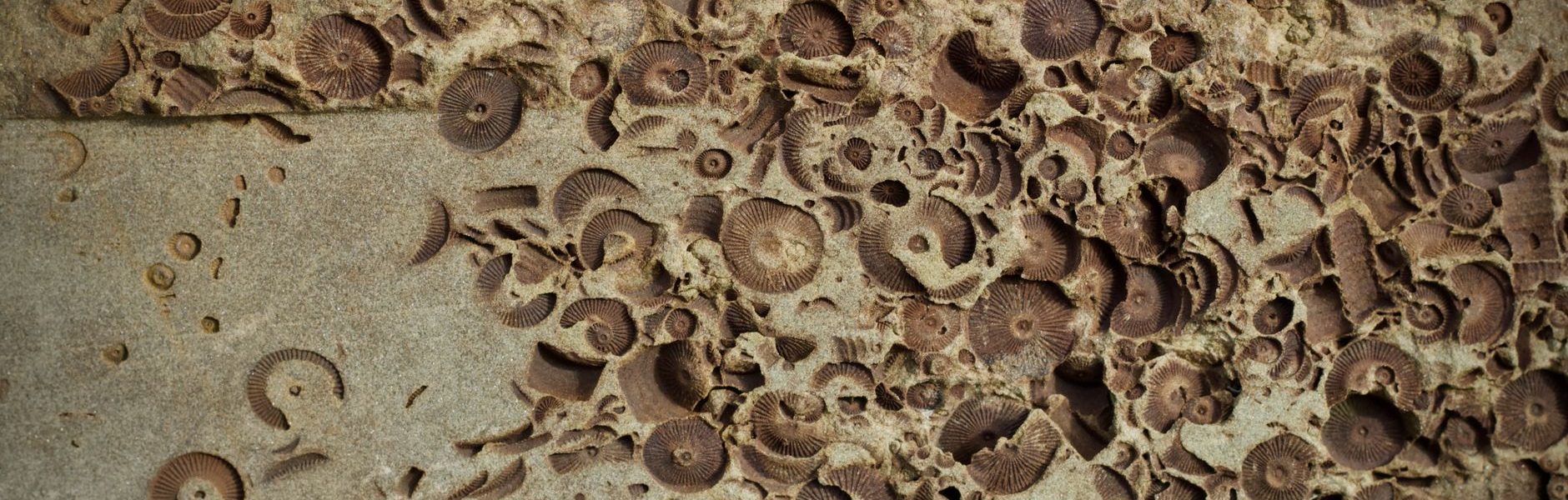

hexagonal tunnel fossils have captured the interest of scientists, revealing that their builders were likely small crustaceans rather than worms. This finding reshapes our understanding of ancient marine ecosystems.
What Are Hexagonal Tunnel Fossils?
Hexagonal tunnel fossils are intricate structures found in sedimentary rocks, characterized by their nearly perfect hexagonal shapes. These fossils are believed to be the remnants of the activities of ancient organisms, which created a network of tunnels as they burrowed through the sediment. Recent studies suggest that the builders of these fascinating structures were likely small crustaceans, rather than the previously assumed worms.
Scientists have been intrigued by the precise geometry of hexagonal tunnel fossils, as they exhibit a remarkable consistency in size and shape. This uniformity raises questions about the biological and environmental factors that contributed to their formation. Researchers have employed various methods, including advanced imaging techniques, to analyze the fossils and gain insights into the behavior of their creators.
Understanding hexagonal tunnel fossils not only sheds light on the organisms that produced them but also provides valuable information about the ecological conditions of ancient environments. As studies continue, the connection between these fossils and their small crustacean builders may reveal even more about the history of life on Earth.
The Creators Behind the Fossils
The recent discovery of hexagonal tunnel fossils has sparked intrigue among paleontologists, leading to new insights about their creators. Previous theories suggested that these remarkable structures were formed by various organisms, but evidence now points toward small crustaceans as the primary architects.
Research indicates that these crustaceans, likely ancient relatives of modern-day shrimps and crabs, possessed unique adaptations that allowed them to create such intricate patterns in sediment. The hexagonal shapes are not only aesthetically pleasing but also serve as a testament to the builders’ evolutionary prowess.
Further analysis of the surrounding sediment has unveiled:
- The presence of specific chemical signatures indicative of crustacean activity.
- Microscopic features that align with the feeding and burrowing habits of these small animals.
- Patterns that suggest a social behavior, possibly indicating they worked collaboratively to construct the tunnels.
As scientists continue to explore these hexagonal tunnel fossils, they uncover more details about the ecosystems in which these fascinating creatures thrived.
Implications for Ancient Marine Life
The discovery of hexagonal tunnel fossils has profound implications for our understanding of ancient marine ecosystems. These unique structures, believed to be created by small crustaceans, shed light on the behaviors and habitats of these organisms millions of years ago.
Researchers have identified several key aspects regarding the implications of these fossils:
- Ecological Insights: The presence of hexagonal tunnel fossils indicates a complex ecosystem where these crustaceans played a vital role in sediment bioturbation, contributing to nutrient cycling in marine environments.
- Behavioral Patterns: The precision of the hexagonal designs suggests sophisticated behaviors and the necessity of social interactions among these small creatures, revealing their adaptability and survival strategies.
- Environmental Indicators: The distribution of these fossils can provide clues about past environmental conditions, helping scientists reconstruct ancient marine habitats and climate fluctuations.
Overall, hexagonal tunnel fossils not only enhance our knowledge of their creators but also serve as a window into the dynamic systems of prehistoric oceans.
Recent Discoveries in Fossil Research
Recent research has unveiled fascinating insights into hexagonal tunnel fossils, shedding light on their elusive creators. A recent study suggested that the builders of these intricate structures were likely small crustaceans rather than the previously assumed worms. This revelation has prompted scientists to re-evaluate the ecological roles these organisms played in ancient marine environments.
Key findings from the study include:
- The precise geometry of the hexagonal tunnel fossils suggests a highly specialized behavior among the builders.
- The presence of these fossils in various geological layers indicates that these crustaceans thrived during specific periods of Earth’s history.
- Advanced imaging techniques have allowed researchers to analyze the tunnels in greater detail, providing clues about the builders’ feeding habits and environmental adaptations.
As scientists continue to explore the significance of hexagonal tunnel fossils, they are uncovering a deeper understanding of how ancient ecosystems functioned and the evolutionary pathways of their inhabitants.
Photo by Peter Dyllong on Pexels
Where this came from